❋
Warsaw and beyond: a slice of history
Warsaw in the 90s: one of the most exciting signs of change was arrival of Mc Donalds to Poland. Marta was born in Warsaw in 1988, just before the Berlin Wall fell and Poland became a free country.
At the time, Warsaw was a city of contrasts: scars of World War II still visible, a landscape shaped by post-Soviet architecture, and a society navigating the transition from communism to capitalism. This was the backdrop of Marta’s childhood.
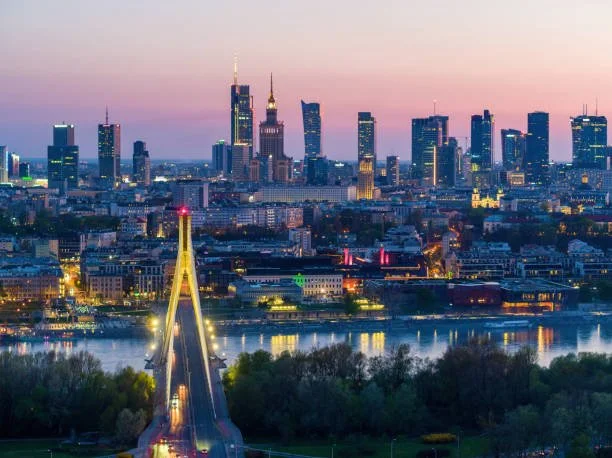
Today, Warsaw is a modern European capital and a vibrant metropolis of nearly 2 million people. The city is split in two by the Vistula River, one of the last large, non-regulated rivers in Europe, flowing from the Tatra Mountains in the south to the Baltic Sea in the north.
To truly understand Warsaw, it helps to remember its past.
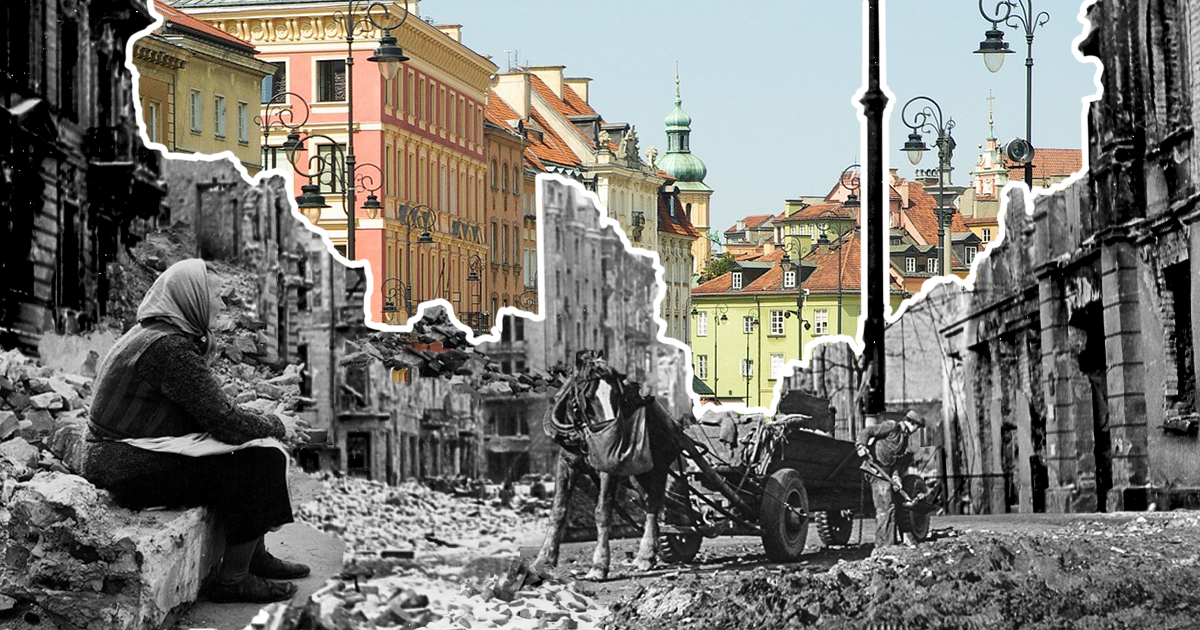
The city was almost completely destroyed after the Warsaw Uprising in 1944, bombed to the ground by Nazi forces. After the war, it was rebuilt to meet Soviet ideals: wide avenues, mass housing blocks, and monumental buildings like the Palace of Culture, now one of the city’s most recognizable landmarks. Much of Warsaw’s cultural heritage was lost in the process, including its multicultural character and many historic sites.
Like many others, both of Marta’s grandparents arrived in Warsaw after the war to start anew. Her parents were born here in the late 1950s, in a city fighting for a fresh beginning. Marta, however, grew up during a transformation her parents could never have imagined: Poland’s entry into the European Union in 2004, which opened borders, opportunities, and reshaped her hometown through major investments and change.
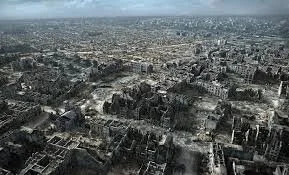
Destruction of Warsaw in 1944.That’s why, when in Warsaw, it’s worth looking beyond the obvious.
While today it’s a prosperous city of Michelin-star restaurants and stylish hotels, if you look closely, you’ll still find a mosaic of past experiences quietly looking back at you.

Top things to do in Warsaw:
— Take a stroll along the Vistula Boulevards (Bulwary Wiślane), a newly refurbished riverside promenade with bars and restaurants, or hop on a short river cruise for a different view of the city
— Join a walking tour to discover Warsaw’s layers of history, hidden courtyards and neighbourhood stories. There are excellent free and themed walking tours led by passionate locals.
— Visit the Warsaw Uprising Museum, the Chopin Museum, the POLIN Museum, or the Neon Museum for a mix of history, culture and retro flair
— Ride up to the panoramic terrace of the Palace of Culture for sweeping views over the city
— Grab a public bike (Veturilo) and ride to the beautiful Łazienki Royal Park (walking only inside!)
— Explore Warsaw’s Old Town, fully rebuilt after the war, including the Royal Castle
— Try a traditional milk bar (“Bar mleczny”) for a simple, affordable and very Polish lunch experience
— Enjoy Warsaw’s booming restaurant scene (here are some of Marta’s favourites)
— Catch some live music or dance the night away in one of the city’s trendy clubs! Bar studio, Dzik or Miłość for dancing, Jassmine for live jazz music… plenty options!
— Love opera or ballet? In June you can still snatch a ticket to Warsaw’s excellent Royal Opera and Ballet performances.
Poland: practical tips
Currency: Poland uses the Polish Złoty (PLN), not the Euro. Cards are widely accepted and you rarely need cash. 1USD is around 4PLN.
Payments: Contactless payments are everywhere: Apple Pay, Google Pay, Visa and Mastercard work almost universally.
Getting around: Uber and Bolt work very well and are usually cheaper and more reliable than taxis. Public transport in big cities is efficient and affordable.
Language: In major cities, most people (especially younger generations) speak good English. Outside cities, English levels may vary, but people are generally helpful.
Tipping: Tipping isn’t obligatory, but it’s appreciated. In restaurants, rounding up or leaving around 10% for good service is common.
Safety: Poland is very safe, including at night in city centres. As anywhere, keep an eye on your belongings in crowded areas.
Shops & Sundays: Many shops are closed on Sundays due to trading laws. Restaurants, cafés and small convenience stores usually stay open.
Weather: Weather can change quickly. Even in summer, evenings may be cool — layers are your friend.
Water: Tap water is safe to drink in cities, though many locals still prefer bottled water.
Power & plugs: Poland uses European plugs (Type C & E) with 230V electricity so bring an adapter if needed.
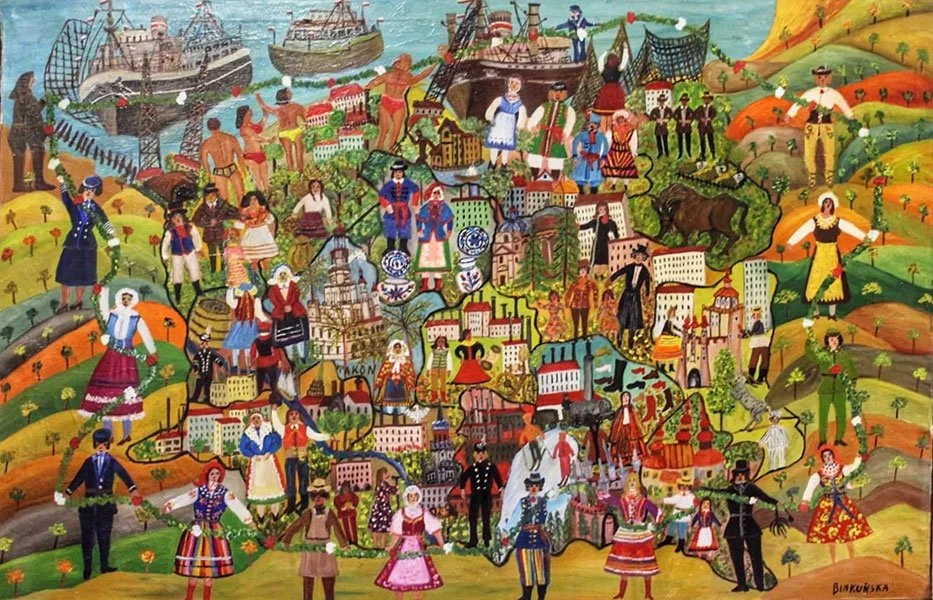
Other ideas for travels in Poland
Poland’s big cities are very well communicated by trains. You can reach Gdansk, Krakow and Wroclaw from Warsaw in 3-4 hours, and prices are very reasonable even last minute.
Mazury (the Lake District): stay after the wedding and explore the forests and lakes. Perfect for sailing, kayaking and slow travel (best with a car!)
Kraków & Auschwitz Memorial: A beautiful historic city and a powerful place of remembrance, easy to combine in one trip. Suggested 2-3 days.
The Tatra Mountains & Zakopane: Poland’s mountain heartland — great for hiking, nature, thermal baths and wooden architecture. Gets busy in the summer!
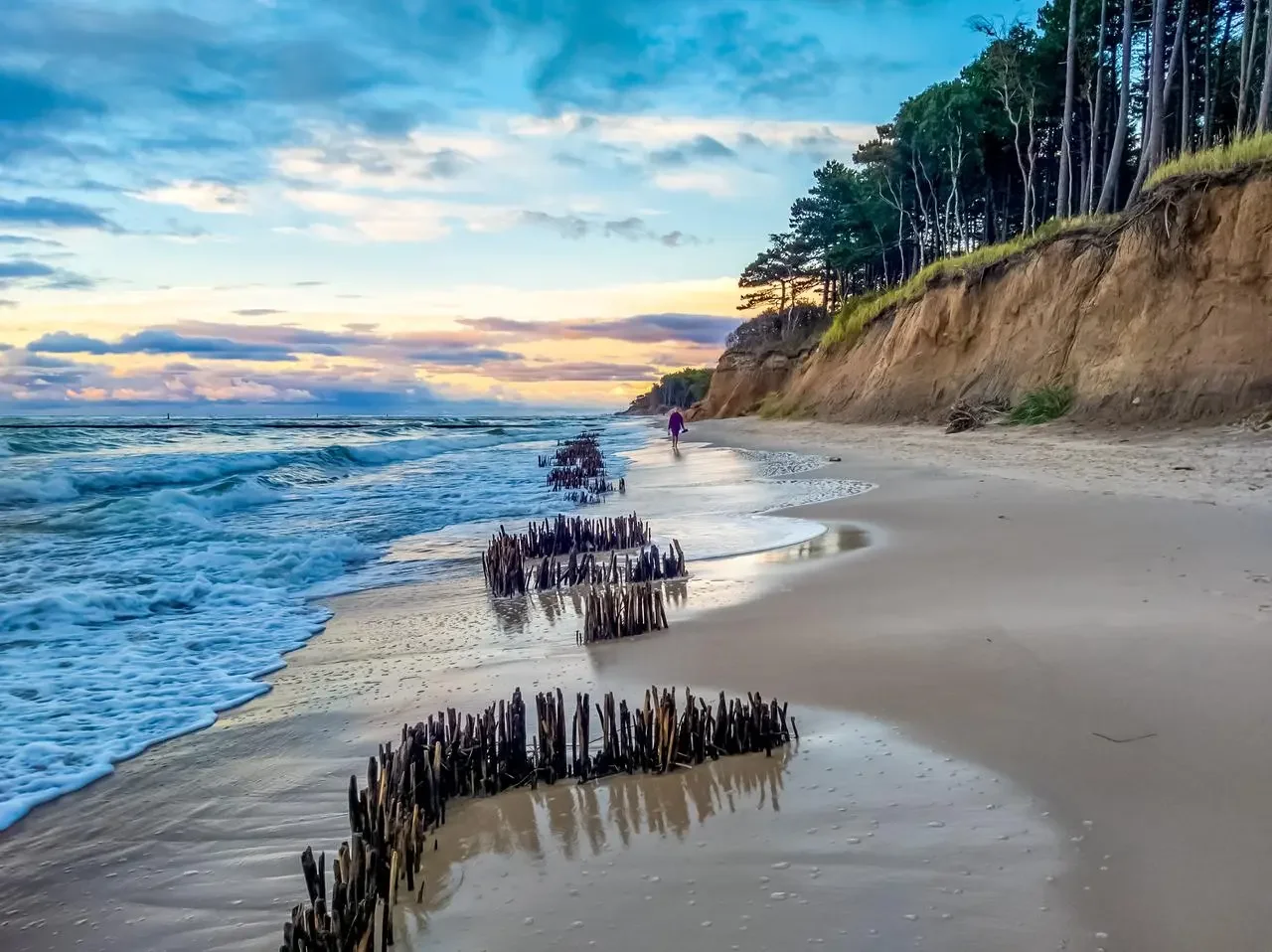
Gdańsk & the Baltic Coast: A charming port city with rich history, colourful architecture and easy access to beaches and seaside towns.
Wrocław: A lively, postcard-perfect city known for its bridges, islands and relaxed atmosphere.
Bialowieza National Park: the home of the bison, and the only primary forest remaining in Europe. A truly magical place if you love nature.